Achieve 25% Better Quality Control in Your Manufacturing with Cloud-Based Analytics

Nirav Oza

Manufacturers often face significant challenges related to quality control, which can result in substantial operational costs. Manufacturers can lose up to 40% of their operations to quality-related expenses, even those that are thriving may lose 10-15%. This highlights the urgent need for effective quality improvement programs.
The absence of strong analytics capabilities in manufacturing is more than just a missed opportunity—it signifies potential revenue left untapped. Without comprehensive visibility into their operations, manufacturers, particularly in high-tech sectors, risk missing out on significant financial gains. This realization has driven the adoption of advanced analytics tools, both at the edge and in the cloud, to an unprecedented level of importance.
By leveraging real-time data from products installed at customer sites, high-tech manufacturers can proactively offer tailored maintenance contracts. This ensures equipment operates at peak efficiency, creating new revenue streams while minimizing warranty-related expenses by addressing potential issues before they escalate. Strategic use of cloud-based analytics not only optimizes operational performance but also enhances customer satisfaction—a critical factor in maintaining a competitive edge in today’s market.
Key Quality Control Challenges Manufacturers Face
Maintaining high standards of quality control presents several challenges for manufacturers. Each of these challenges requires careful management and innovative solutions:
- Inconsistent Product Quality: Variability in production can lead to inconsistent product quality. Real-time monitoring can help detect and address these variations promptly, ensuring consistent output.
- Supply Chain Disruptions: Disruptions in the supply chain can significantly affect production. Enhanced visibility and predictive analytics can help manage and mitigate these disruptions, ensuring smoother operations.
- Machinery Downtime: Unexpected equipment failures can halt production. Predictive maintenance strategies can prevent these failures by monitoring machinery health and scheduling maintenance before problems arise.
- Manual Data Entry Errors: Manual data entry is prone to errors that can impact quality. Automating data collection and analysis can eliminate human errors, ensuring more accurate data.
- Delayed Defect Detection: Detecting defects late in the production process can lead to costly rework and waste. Continuous monitoring and advanced analytics can detect defects early, reducing waste and improving overall quality.
- Limited Process Optimization: Inefficiencies in production processes can go unnoticed without proper analysis. Insightful data analytics can identify these inefficiencies, allowing for process optimization and improved efficiency.
Download the Ultimate Guide for Cloud Migration
- Regulatory Compliance Issues: Compliance with industry standards is crucial but can be challenging to track manually. Automated tracking and documentation ensure compliance, reducing the risk of penalties.
- Inadequate Root Cause Analysis: Without detailed analytics, identifying the root causes of quality issues can be difficult. Advanced analytics can trace and resolve these causes, leading to more effective problem-solving.
- Variable Supplier Quality: The quality of materials from suppliers can vary, impacting the final product. Consistent monitoring of supplier performance and quality metrics ensures that only high-quality materials are used.
- High Scrap and Rework Rates: High levels of scrap and rework are costly and wasteful. Real-time quality control can reduce these rates, saving both time and resources.
- Inefficient Inventory Management: Poor inventory management can lead to shortages or excess stock. Data-driven insights can improve forecasting and inventory control, ensuring the right materials are available when needed.
- Poor Production Planning: Ineffective production planning can cause delays and inefficiencies. Predictive analytics can enhance planning and scheduling, leading to smoother operations.
- Lack of Real-Time Visibility: Without real-time insights, it’s difficult to make informed decisions. Comprehensive, real-time data provides a clear view of all aspects of the manufacturing process, enabling better decision-making.
- Suboptimal Resource Utilization: Inefficient use of resources can increase costs and reduce productivity. Data-driven resource allocation ensures that resources are used optimally, maximizing efficiency.
- Difficulty in Scaling Operations: As demand grows, scaling operations can be challenging. Scalable cloud solutions support growth and allow manufacturers to adapt to changing market conditions.
By leveraging predictive analytics, manufacturers can forecast potential quality issues, optimize production processes, and ensure compliance with regulatory standards. Furthermore, cloud-based platforms streamline data integration across departments, providing a holistic view of quality metrics and enabling data-driven decision-making.
Preparing for Technological Advancements in 2024
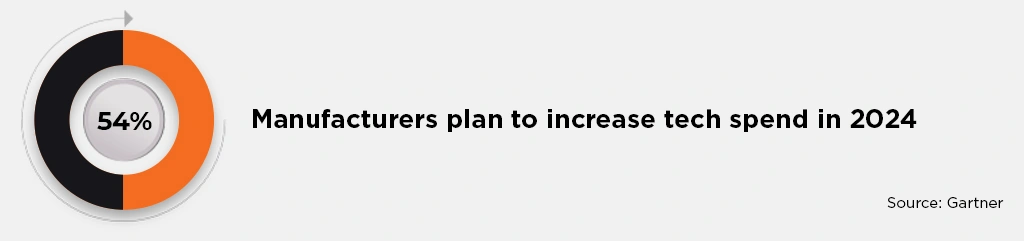
As we move into 2024, the manufacturing industry is gearing up for significant technological advancements. According to Gartner, 54% of manufacturers plan to increase technology spending this year. This surge in investment highlights the critical role that cutting-edge technologies like Artificial Intelligence (AI), the Internet of Things (IoT), and Business Intelligence (BI) play in driving efficiency, innovation, and competitiveness.
Implementing Cloud-Based Analytics for Better Quality Control
Implementing cloud-based analytics for quality control can seem daunting, but by following a few key steps, manufacturers can transform their processes and unlock significant improvements in product quality and operational efficiency. Here’s how to get started:
1. Assessing Current Quality Control Processes and Challenges
The first step is to thoroughly assess your existing quality control processes. Identify key areas where quality issues arise and understand the methods and tools currently used. Pinpoint specific challenges that hinder optimal performance.
Conducting a comprehensive audit helps recognize inefficiencies, bottlenecks, and areas where data collection is lacking or inconsistent. This foundational step sets the stage for targeted improvements, ensuring the transition to cloud-based analytics addresses the most critical issues.
2. Choosing the Right Cloud-Based Analytics Solution Provider
Selecting the right provider for your cloud-based analytics solution is crucial. Look for providers with a proven track record in the manufacturing sector and those offering scalable solutions tailored to your needs.
Consider the provider’s expertise in handling large datasets, their ability to integrate seamlessly with existing systems, and the level of customer support they offer. Evaluate different providers based on their analytics capabilities, security features, and user-friendly interfaces.
Conducting trials or pilot programs can provide valuable insights into how well a solution aligns with your operational requirements.
3. Integration with Existing Systems (ERP, PLM, etc.)
Integrating cloud-based analytics with your existing systems is critical and requires careful planning. This includes ensuring compatibility with Enterprise Resource Planning (ERP), Product Lifecycle Management (PLM), and other key systems.
Seamless integration facilitates data flow across platforms, providing a holistic view of your manufacturing operations. Work closely with IT teams and solution providers to map out integration strategies, set up data pipelines, and establish protocols for real-time data synchronization.
Effective integration enhances data accuracy and maximizes the utility of analytics insights across the organization.

4. Training and Adoption Strategies for Employees
Successful adoption of cloud-based analytics depends on comprehensive training and buy-in from employees. Develop a structured training program that covers the functionalities and benefits of the new analytics tools.
Tailor training sessions to different user groups, from shop floor operators to management, ensuring everyone understands how to leverage analytics to enhance quality control.
Fostering a culture of data-driven decision-making can accelerate the adoption process. Encourage open communication, address concerns promptly, and highlight early successes to build confidence and enthusiasm.
Providing ongoing support and resources helps maintain momentum and ensures sustained usage of the analytics platform.
How AQe Digital Can Enhance Quality Control by 25% with Cloud-Based Analytics
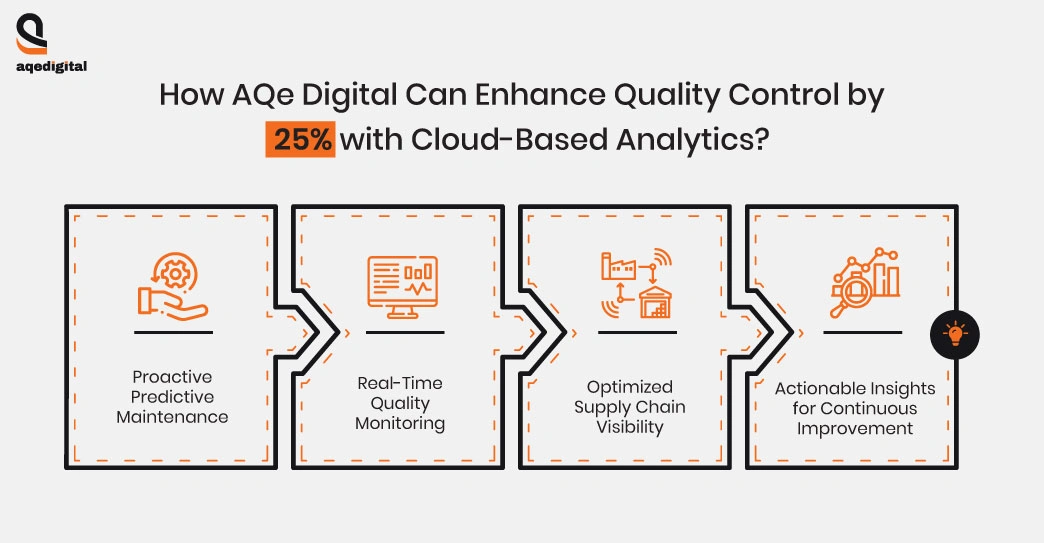
At AQe Digital, our journey with cloud-based analytics has reshaped how we approach quality control in manufacturing, yielding substantial improvements across critical areas:
- Proactive Predictive Maintenance: We have transformed how we manage equipment health by integrating AI-driven predictive maintenance models with IoT sensors. This proactive approach has reduced unplanned downtime by 20%, ensuring production lines operate at peak efficiency with minimal disruptions.
- Real-Time Quality Monitoring: Our implementation of real-time quality monitoring systems has been pivotal in catching deviations instantaneously. Through sophisticated anomaly detection algorithms, we’ve reduced defects by 15%, allowing us to address issues promptly and maintain stringent quality standards.
- Optimized Supply Chain Visibility: Leveraging cloud analytics, we’ve achieved end-to-end visibility across the supply chain—from suppliers to logistics. This transparency has streamlined inventory management, cut lead times by 30%, and ensured consistent quality in raw materials, enhancing the overall reliability of products.
- Actionable Insights for Continuous Improvement: Our tailored quality insights dashboards consolidate data from diverse manufacturing processes. These analytics empower decision-makers with actionable insights, enabling data-driven strategies to optimize operations and drive a targeted 25% enhancement in quality control metrics.
Through these initiatives, AQe Digital continues to pioneer advancements in manufacturing quality control, leveraging cloud-based analytics to not only meet but exceed industry standards. Our commitment to innovation and quality underscores our dedication to delivering exceptional results for our clients and stakeholders alike.
Why Choose AQe Digital for Your Manufacturing Needs?
Choosing AQe Digital means partnering with a team dedicated to your success. Here’s why manufacturers choose us:
- Tailored Solutions: We create solutions that fit your exact needs.
- Innovation: From idea to execution, we innovate with you.
- Support: Our team is always here to guide and support you.
- Transparency: We communicate openly and deliver reliable results.
- Expertise: We have specialized knowledge to optimize your operations.
Experience the difference of working with a technology partner that prioritizes your business objectives and empowers you to achieve your goals with confidence.
Conclusion
Cloud-based analytics have become a game-changer in manufacturing, offering unprecedented insights, efficiency gains, and competitive advantages. As you navigate the complexities of modern manufacturing, choosing the right technology partner is crucial. Whether through predictive maintenance, real-time quality monitoring, or enhanced supply chain visibility, our solutions are designed to optimize processes and elevate product quality. Let’s collaborate to build a resilient, efficient, and innovative manufacturing ecosystem that sets new benchmarks in quality and performance.