7 Clinical Data Management Best Practices to Maximize Pharma ROI

Vishal Panchal

Every day, the healthcare industry creates a huge amount of data—about 30% of the world’s total. That’s a lot of information! But how can we actually use it to make a real impact? The answer is clinical data management and clinical data management software. When used right, they help turn all that data into insights that improve patient care and boost ROI. In this article, we will share five powerful ways clinical data management is changing the game in healthcare—and how you can make it work for you.
How Clinical Data Management is Shaping Pharma ROI?
In the pharmaceutical industry, clinical data management is quickly becoming a game-changer. With clinical trials generating more than 3.6 million data points on average per study, managing this massive volume of information is critical. Without the right tools, this data can overwhelm teams. But with clinical data management software and clinical trial data management services in place, it can become a valuable asset.
Recent studies have shown that pharmaceutical companies adopting modern data management services could cut logistics costs by as much as 15%. Not only that, they could also reduce drug time to market by about 20%. Clinical data management services maximize ROI through streamlined processes, accurate data, and ease of compliance.
Moreover, AI integration in clinical trials is expected to deliver an additional $20-30 billion in global pharma savings by 2030. This shift toward data-powered decision-making is helping pharma companies lower their risks, optimize resource use, and boost profits.
Companies that use clinical data management software and partner with data management companies can see up to a 15% increase in ROI—all while ensuring faster, more efficient drug development.
As clinical data management continues to evolve, it’s clear that clinical data management services are no longer optional. They’re essential for driving better decision-making, reducing costs, and improving overall performance in the pharmaceutical industry.
Why Smarter Clinical Trial Data Management Means Better Business Outcomes
Gone are the days when clinical trial data management was just about data entry and validation. Today, it’s a strategic function that directly impacts business performance. With the rise of digital trials, AI, and real-world data, clinical data management services are being reimagined to drive measurable outcomes.
Here’s how clinical trial data management, when done right, leads to better business results:
1. Accelerating Time-to-Market
- Using modern clinical trial data management software, pharma companies can reduce trial timelines by up to 20-30%.
- Faster data cleaning and real-time monitoring help identify issues early, speeding up approvals.
2. Improving Data Quality and Compliance
- High-quality data is non-negotiable in healthcare. Reliable clinical trial data management services ensure accuracy, consistency, and regulatory readiness.
- The improved quality also helps to reduce the risk of costly delays or resubmissions, protecting ROI.
3. Enhancing Decision-Making with Real-Time Insights
- Today’s clinical trial data management companies offer tools that turn complex datasets into dashboards and reports.
- Real-time access helps teams make faster, more informed decisions, improving trial outcomes.
4. Optimizing Costs Through Automation
- Automated workflows in clinical trial data management software can cut manual processes by 40%, significantly lowering operational costs.
- Efficient data management services free up internal resources for higher-value tasks.
5. Driving Long-Term ROI and Competitive Advantage
- Companies utilizing advanced clinical trial data management services see up to 15–20% higher returns on their R&D investments.
- With predictive analytics, data doesn’t just support trials—it guides future strategies.
7 Best Practices in Clinical Data Management for Better Pharma ROI
Achieving high ROI in pharma requires more than just technology—it demands data-driven practices that maximize the effectiveness of every step in the clinical trial process. For this reason, pharma companies are integrating data analytics to drive smarter, more accurate outcomes.
Clinical data management plays a central role in driving those returns, and by adopting the right practices, organizations can drastically reduce costs, enhance collaboration, and improve outcomes.
Let’s dive into 7 clinical data management best practices that lead to better ROI, with suggestions on how to visualize each for clearer understanding.
1. Streamline Data Collection and Integration
In clinical data management, data comes from various sources like EHRs, clinical trial management systems, and lab records. Managing this data manually is inefficient and prone to error.
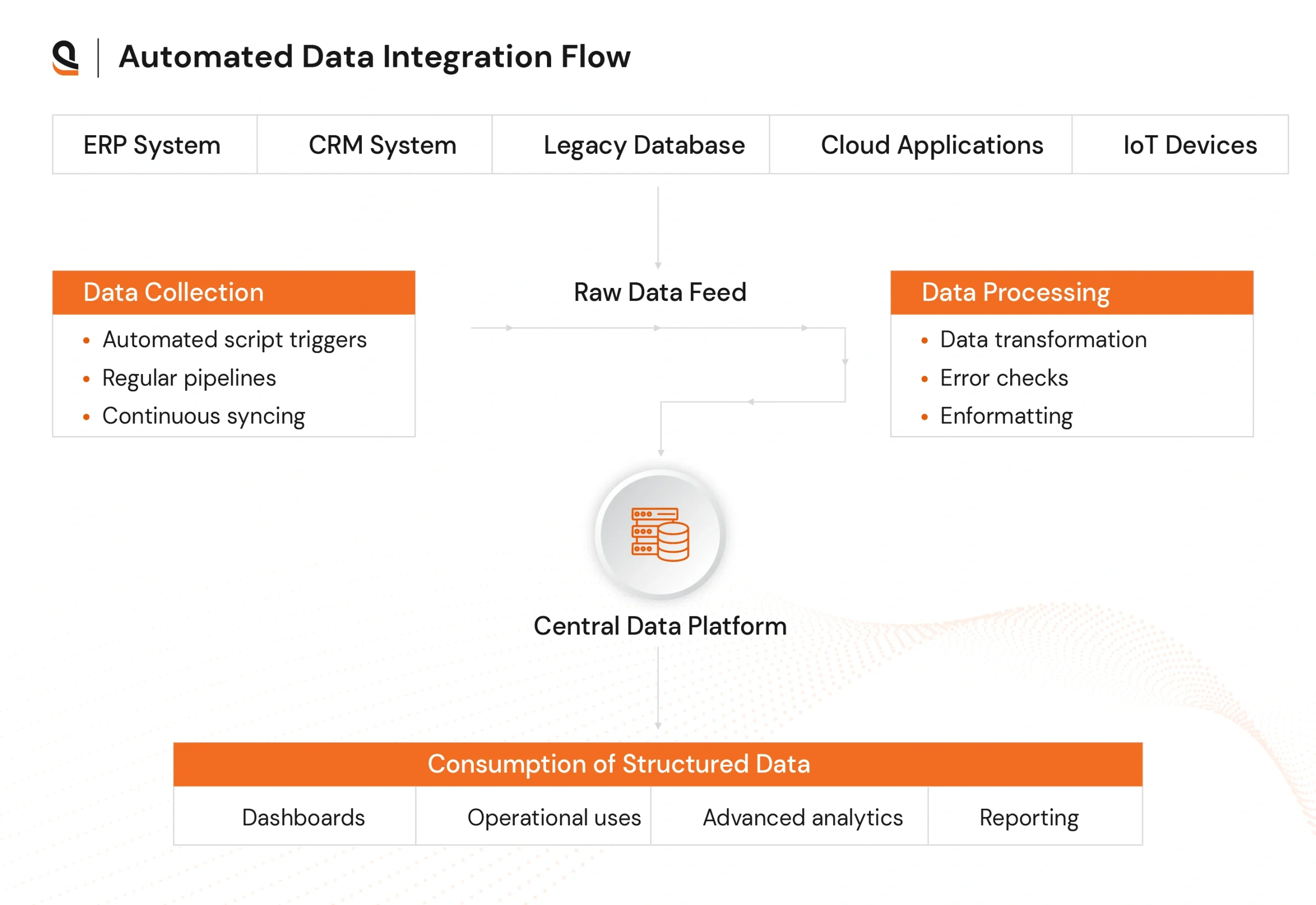
Unified integration through automated data collection ensures that data flows freely between departments, eliminating delays and data-entry errors. The result? Faster decision-making and more accurate insights at every stage of a trial.
- ⭐ Pro Tip: Focus on automating data integration to boost data accuracy and minimize operational bottlenecks.
2. Automated Data Validation & Cleaning for Faster Clinical Insights
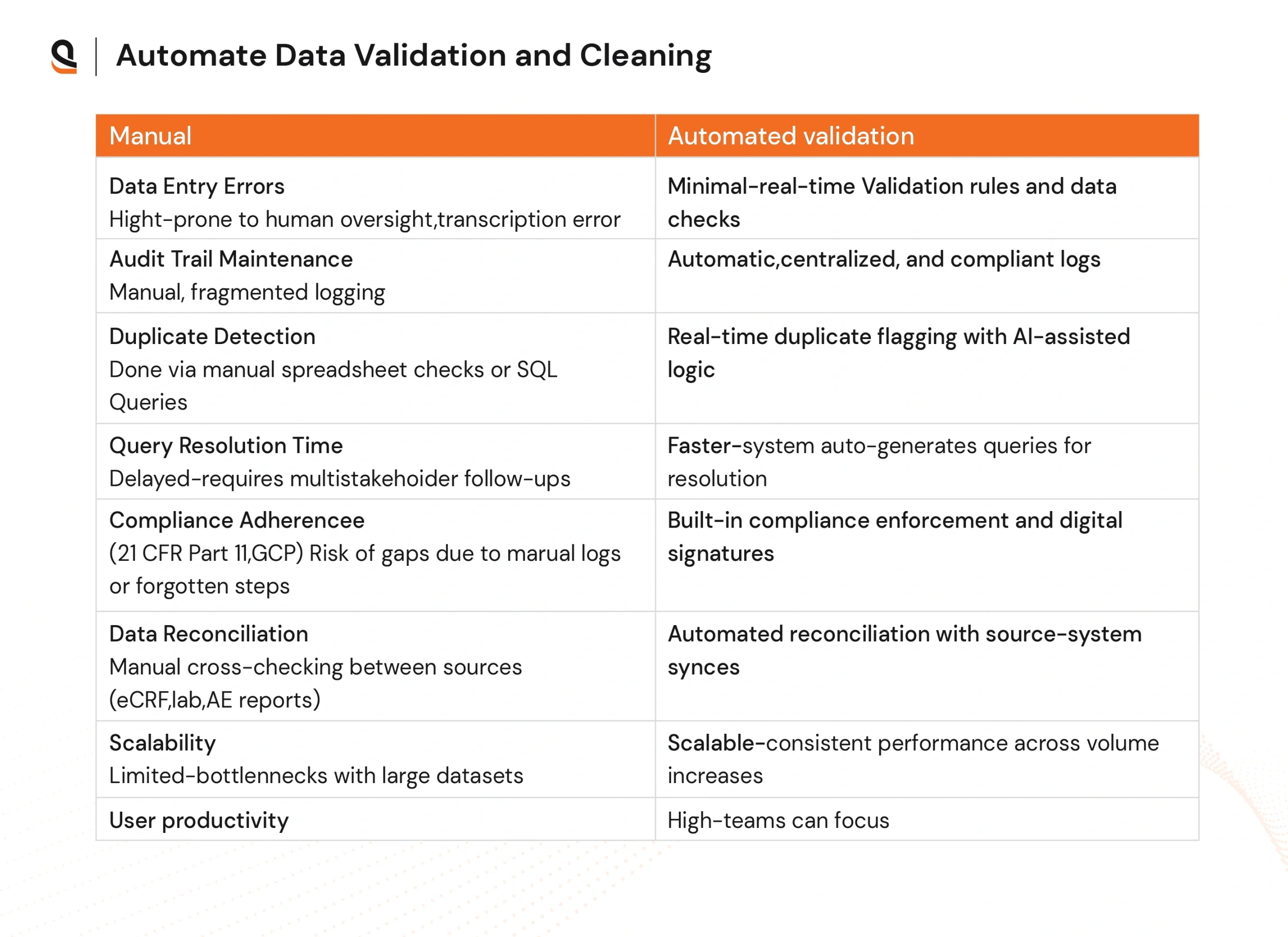
Data validation and cleaning are often manual processes, leading to delays and human errors. Without proper validation, the data used for decision-making could be flawed, risking costly setbacks.
Automating validation processes enables quick identification of inaccuracies, outliers, or missing values, ensuring that only clean data is used. This reduces error rates and speeds up data processing.
- ⭐ Pro Tip: Use automated validation tools to ensure data quality and avoid delays in trial progress.
3. Real-Time Data Analytics: Fueling Faster, Smarter Outcomes
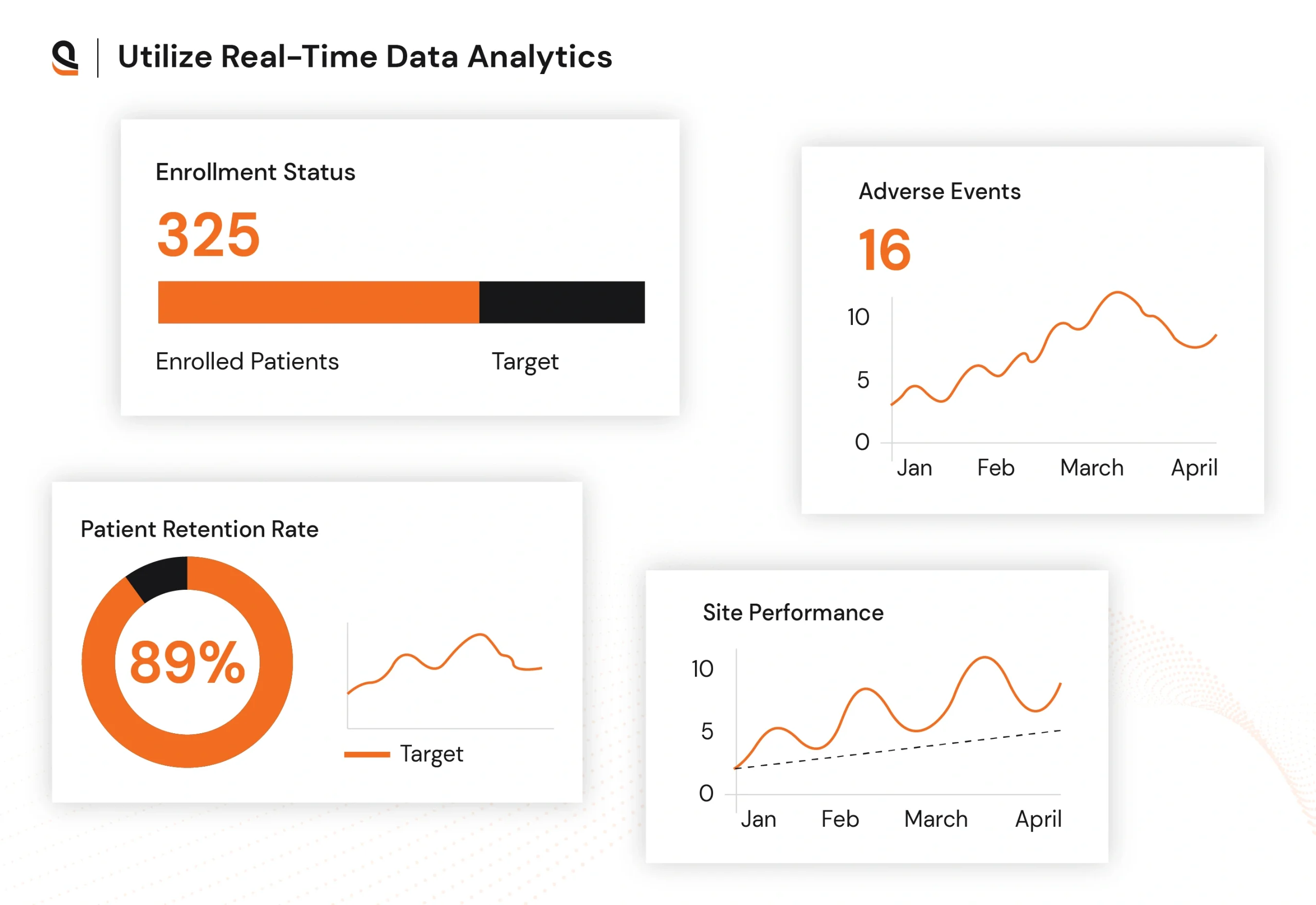
Clinical trials generate vast amounts of data that need to be analyzed in real time for effective decision-making. Without immediate access to data, adjustments may be delayed, leading to inefficiencies and increased costs.
Real-time analytics enable quick identification of trends, issues, and deviations in clinical trials, allowing teams to adapt rapidly and make data-driven decisions.
- ⭐ Pro Tip: Implement real-time analytics dashboards that provide actionable insights to make proactive adjustments during trials.
4. Use Predictive Analytics for Risk Management
Predictive analytics leverage historical data and trends to forecast potential risks such as adverse events, delays, or trial failures.
Predictive tools allow you to anticipate and manage risks before they disrupt trials, preventing costly mistakes and resource wastage.
- ⭐ Pro Tip: Invest in predictive analytics to minimize risks and proactively manage clinical trial outcomes.
5. Adopt Cloud-Based Solutions for Scalability
As trials grow, so does the volume of data. Traditional on-premises solutions can quickly become outdated and costly to maintain.
Cloud-based data management solutions offer scalability and flexibility, enabling your organization to grow without incurring high infrastructure costs. They also allow teams to collaborate across locations in real time.
- ⭐ Pro Tip: Move to cloud-based clinical data management software to enhance flexibility, collaboration, and scalability while reducing overhead.
6. Ensure Ongoing Compliance with Automated Reporting
Regulatory compliance is non-negotiable in healthcare, but manual compliance reporting is time-consuming and prone to errors.
Automated compliance tools reduce the complexity of regulatory reporting by generating real-time reports, ensuring compliance with standards like FDA, GxP, and HIPAA. This minimizes risk and accelerates reporting timelines.
- ⭐ Pro Tip: Use automated compliance systems to streamline reporting, reduce human error, and maintain regulatory alignment effortlessly.
7. Foster Collaboration Across Teams
Clinical, IT, and data teams often work in silos, which can lead to communication gaps and inefficiencies in data management.
Cross-functional collaboration ensures that everyone is aligned on goals, data integrity, and progress. This leads to faster problem-solving, streamlined workflows, and ultimately, a quicker path to clinical success.
- ⭐ Pro Tip: Encourage collaboration platforms to bring clinical, IT, and data teams together for a more cohesive approach to data management.
How Big Pharma is Embracing Pharma Data Management Services
With growing pressure to reduce trial timelines, cut costs, and improve accuracy, pharma data management services have become a critical tool to enhance both efficiency and ROI. Big pharma companies are increasingly relying on pharma data management services to speed up clinical trials.

The following are the ways pharma data management companies provide to big companies in order to obtain faster and more reliable trials with better ROI, and a stronger competitive edge in the market.
- Adopting automated solutions that streamline pharma data collection, validation, and integration.
- Integrating information from multiple sources and accessing pharma data anywhere in the world with cloud computing.
- Monitoring trial data in real-time enables proactive decision-making and reduces costly delays.
- Streamlining the submission process to reduce the burden of manual paperwork and minimize the risk of errors or penalties.
- Executing end-to-end encryption, ensuring its security is paramount.
- Optimizing the process for freeing up valuable resources that can be better allocated to more critical areas of the trial.
How You Choose the Right Clinical Data Management Partner
When pharmaceutical companies and healthcare organizations seek strategic partnerships in clinical data management, they must carefully evaluate their service providers. The right partner can dramatically enhance the efficiency of clinical trials and the overall return on investment (ROI). Here’s a guide on the key qualities to look for in a data management company—and how AQe Digital delivers on each of these points.
- Ensure Your Data Systems Sync Effortlessly
- Empower Your Decisions with Instant Analytics
- Choose a Partner Who Keeps You Compliant Everywhere
- Protect Your Clinical Data with Unmatched Safeguards
- Choose a Partner That Can Grow With Your Trials
- Streamline Your Trials for Better ROI and Reduced Costs
- Make Sure Your Partner Aligns with Your Goals
AQe Digital drives healthcare digital transformation by prioritizing collaboration. Our team of experts takes the time to learn your goals and challenges, providing personalized consultations to design solutions that meet your specific needs. From onboarding to ongoing support, we’re committed to your success.
